Last reviewed October 31, 2026
Firearm Deaths: Where It Stands in 2026
If you or someone you know is struggling, call or text 988 to reach the 988 Suicide & Crisis Lifeline, available 24/7. Veterans can call 988 and press 1.
Gun-control campaigns usually cite a single “gun deaths” total. Breaking that number down tells a very different story. According to CDC data analyzed by Pew Research Center, 44,447 Americans died from firearm injuries in 2024, the third straight annual decline. About 62 percent of those deaths were suicides, about 35 percent were homicides, and accidents, police shootings and undetermined cases each made up roughly 1 percent. Combining these categories into one figure hides the fact that each has different causes and different solutions.
The homicide trend is moving sharply in the right direction. Firearm homicides fell 27 percent from their 2021 peak of 20,958 to 15,364 in 2024, and FBI data released in August 2026 showed murder and nonnegligent manslaughter dropped another 18.1 percent in 2025, with violent crime posting its largest one-year decline since the FBI began estimating crime in 1936. That decline came as Americans kept buying firearms (14.6 million NSSF-adjusted NICS checks in 2025) and as permitless carry spread to 29 states.
Suicide is the largest share and the one most often used to justify broad restrictions. Firearm suicides reached 27,593 in 2024. Gun-rights advocates argue that the answer is better access to mental health care without fear of losing rights, voluntary temporary storage, and peer outreach from within the gun community, not laws that burden every law-abiding owner. See Mental Health and Gun Ownership.
Key Facts
- 2024 CDC totals: 44,447 firearm deaths, including 27,593 suicides, 15,364 homicides, 636 law enforcement shootings, 450 accidents and 404 of undetermined intent (Pew Research Center, April 2026).
- The 2024 firearm death rate was 12.8 per 100,000, below the 1974 peak of 16.3.
- 2025 FBI data: murder fell 18.1 percent to 4.1 per 100,000, and violent crime fell an estimated 9.3 percent (reported August 2026).
- For comparison, CDC attributes about 178,000 deaths per year to excessive alcohol use (2020 to 2021) and more than 480,000 per year to cigarette smoking.
- State rates vary widely, from 3.7 per 100,000 in Hawaii to 28.0 in Mississippi in 2024, and do not track gun-law strictness alone.
What Gun Owners Should Know
- Always ask what a statistic includes. “Gun deaths” usually counts suicides, and “children” in some studies includes 18- and 19-year-olds.
- Use primary data. CDC WONDER and the FBI’s Crime Data Explorer let anyone check the numbers directly.
- Defensive gun uses are rarely counted in death statistics, and estimates vary widely by survey method.
- Know the warning signs of suicide in family and friends, and remember that temporarily storing guns with someone you trust is a lawful, voluntary option.
- Learn more on the Firearm Safety and 2A Doctors pages.
Sources
- Pew Research Center: What the Data Says About Gun Deaths in the U.S. (April 28, 2026)
- Stateline: Violent Crime in US Fell at Record Pace in 2025 (August 2026)
- CDC: Alcohol Facts and Statistics
- CDC WONDER Mortality Data
- 988 Suicide & Crisis Lifeline
Background and Resources
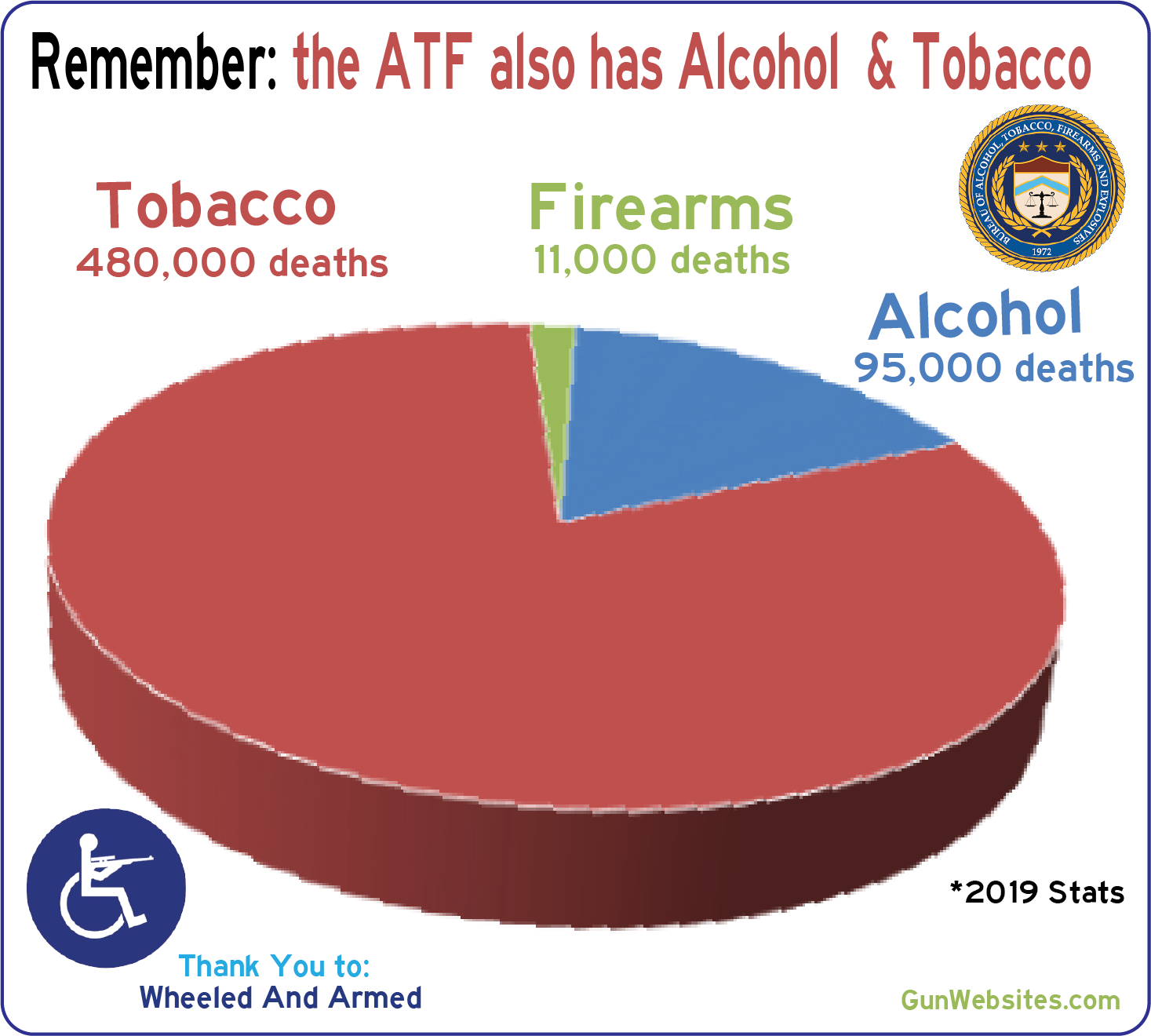
Every year, alcohol is responsible for 95,000 deaths, tobacco takes a staggering toll of 480,000 lives, and firearms account for approximately 11,000 deaths.
Despite these stark differences, firearms are often singled out as a “health epidemic.”
This narrative overlooks the disproportionate impact of other substances, which not only claim far more lives but also strain healthcare systems and society on a massive scale.
By focusing on firearms, are we ignoring broader, more pressing public health challenges? The data calls for a balanced and comprehensive approach to addressing all significant causes of preventable deaths
- Alcohol = 95,000 deaths
- Tobacco = 480,000 deaths
- Firearms = 11,000 deaths
Yet they claim firearms are a “health epidemic”?

