NRA

National Rifle Association

1871 


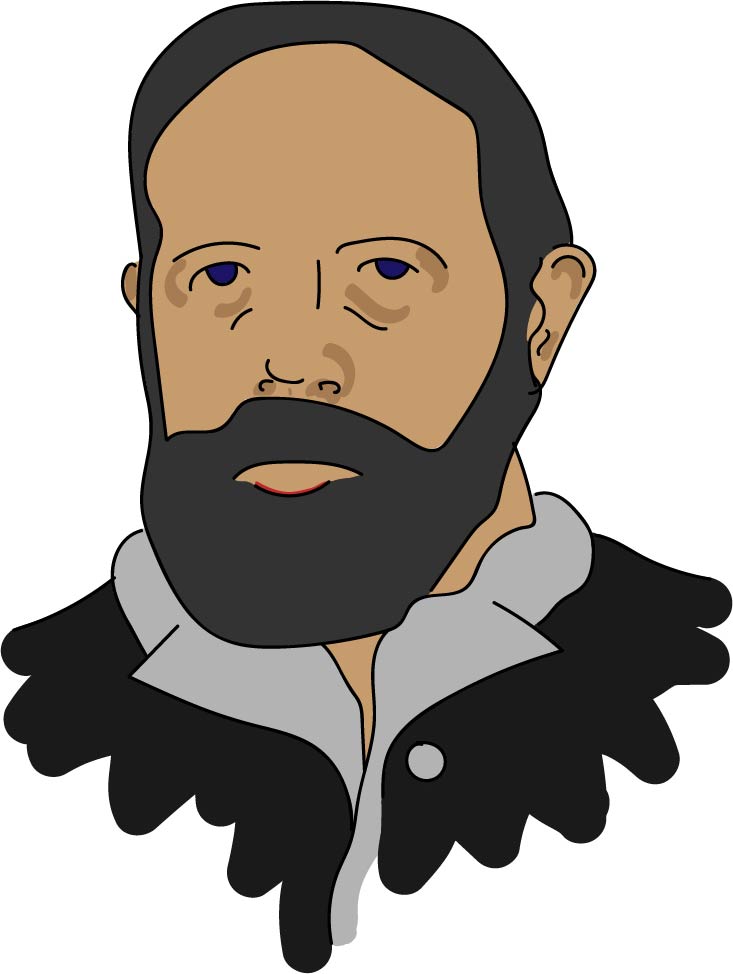
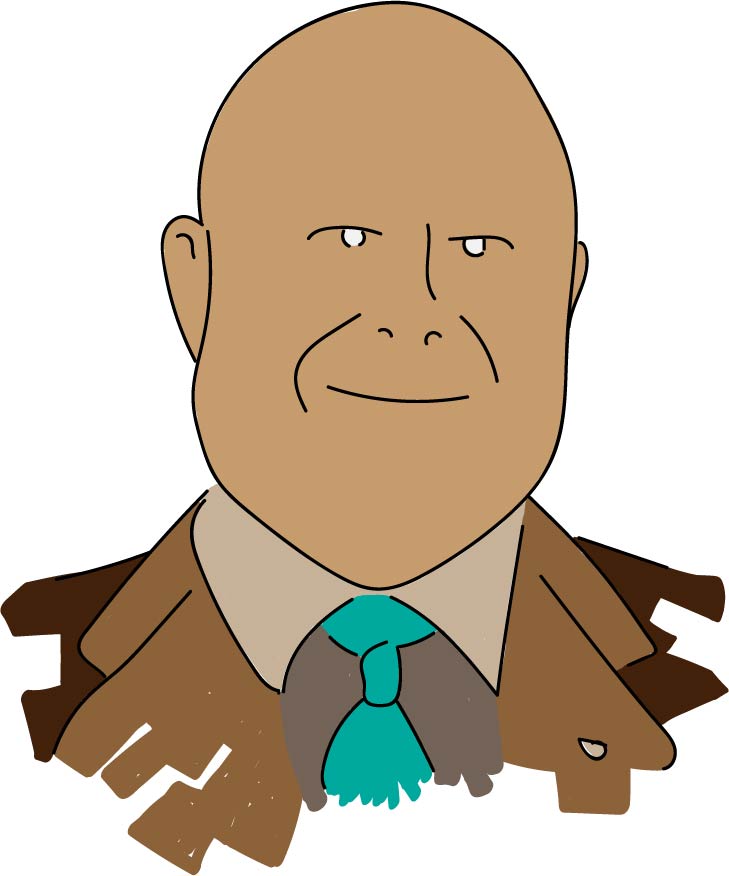
Col. William C. Church

1871 co-founder of the National Rifle Association
– 1872 Second president of the National Rifle Association
– https://en.wikipedia.org/wiki/William_Conant_Church
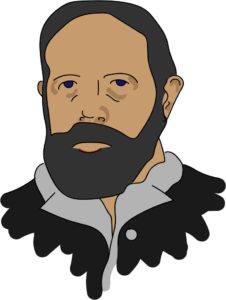

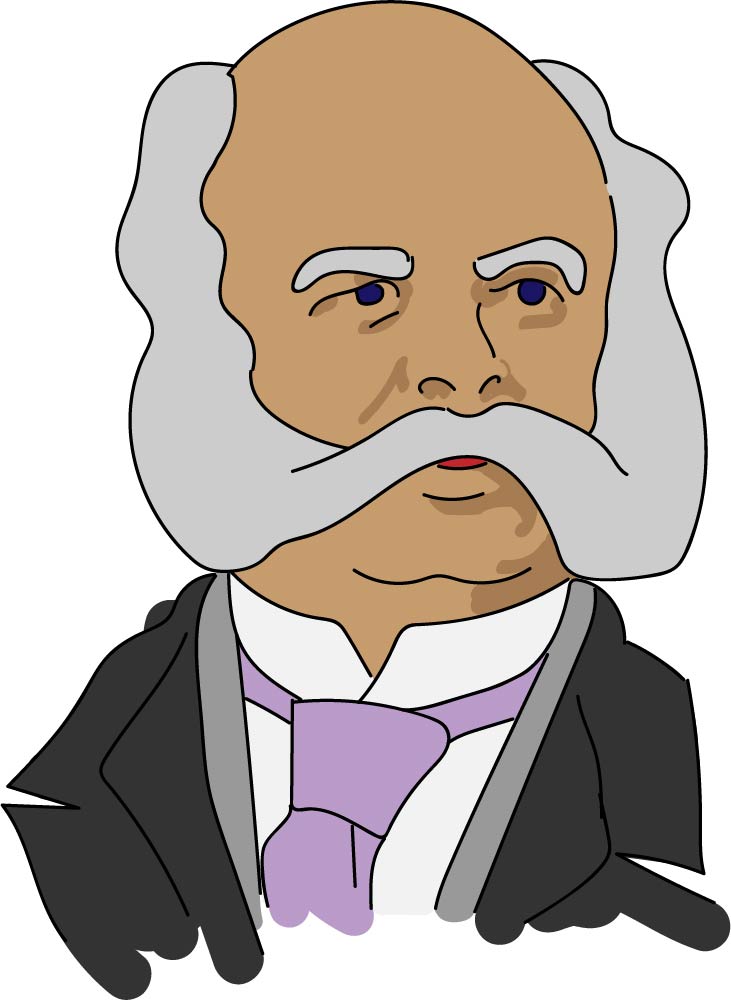
Gen. George Wingate

 1871 co-founder of the National Rifle Association
– 1886 to 1900 president of the National Rifle Association
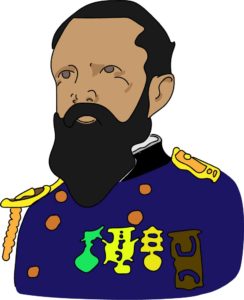

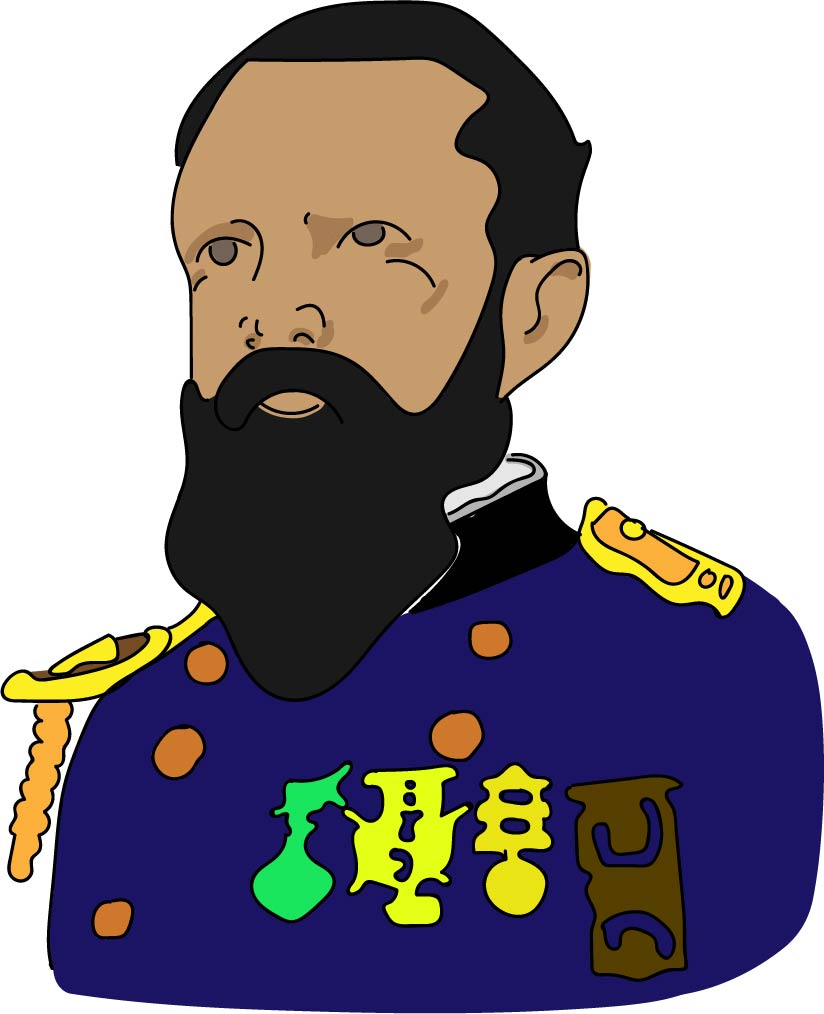
Gen. Ambrose Burnside

1871 NRA’s first President
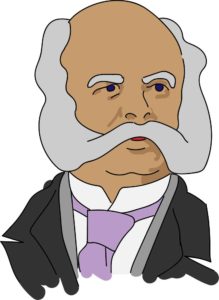

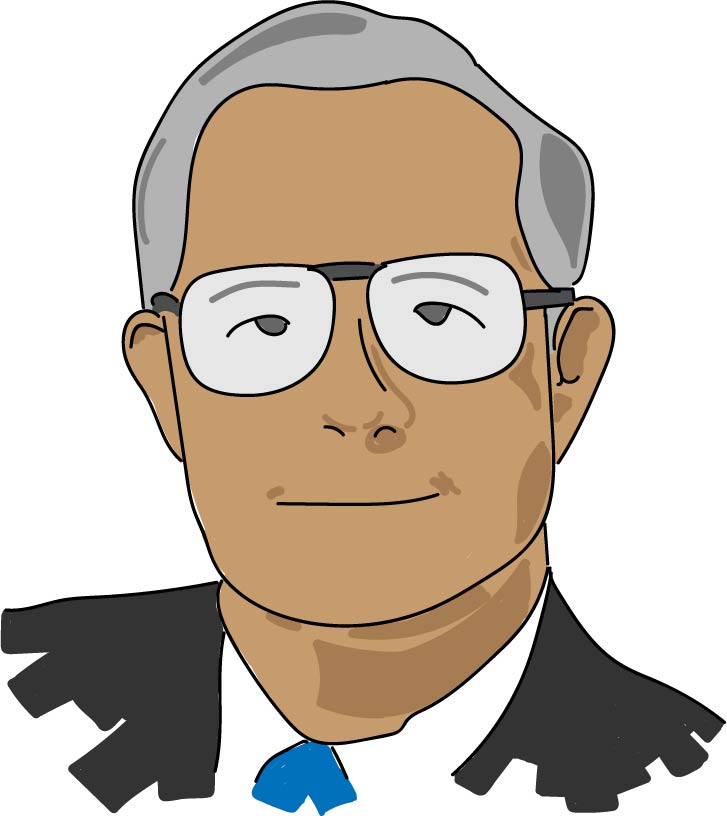
Harlon Carter

1951 joined the National Board of the NRA
– 1965-1967 served as NRA president from
– 1975-1976 served as director of the NRA’s lobbying arm
– 1977-1985 served as NRA Executive Vice President
Carter replaced Maxwell Rich as Executive Vice President
– https://en.wikipedia.org/wiki/Harlon_Carter
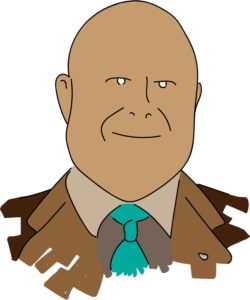

Neal Knox

– 1977 The NRA Cincinnati Revolt
– 1978-1982 Executive Director of NRA Institute for Legislative Action (ILA)
– https://en.wikipedia.org/wiki/Neal_Knox

Marion P. Hammer

  • 1970s – Present – NRA lobbyist from Florida
  • 1988 – creator of the NRA Eddie Eagle Program
  • 1995 to 1998 – 1st female president of the National Rifle Association NRA
Wayne LaPierre

– joined the NRA in 1977
– Since 1991, he has served as executive vice president and chief executive officer of the National Rifle Association (NRA)
– https://en.wikipedia.org/wiki/Wayne_LaPierre


Chris W. Cox

 April 2002 – 2019  executive director of the NRA’s Institute for Legislative Action (NRA-ILA)
– https://en.wikipedia.org/wiki/Chris_W._Cox
Iver Johnson

from 1871 to 1993
Massachusetts

  • U.S. firearms, bicycle, and motorcycle manufacturer
  • Iver Johnson (1841–1895)
  • 1857  educated as a gunsmith in Bergen, Norway
  • Had a gun store in Oslo, Norway
  • 1863 immigrated to Worcester, Massachusetts
  • he made “pepperbox” pistols for Allen & Wheelock
  • 1871 with Martin Bye created the Johnson Bye & Company
  • 1883 Johnson bought Bye out
    – name changed to Iver Johnson & Company
  • 1891 name changed Iver Johnson’s Arms & Cycle Works
    – relocated to Fitchburg, Massachusetts
  • O.F. Mossberg worked for Iver Johnson durring this time
  • 1895 Iver Johnson died of tuberculosis, his sons took over
  • 1971 Louis Imperato purchased the name and moved IJ to New Jersey
  • 1983 Investors bought Iver Johnson name and moved to Jacksonville, Arkansas
  • 1993 ceased trading under its own name
    – owned by American Military Arms Corporation (AMAC)
  • 2006 Iver Johnson Arms opened (relation in name only)
    – in Rockledge, Florida
    – manufacturer and firearms importer
    – Iver Johnson Arms is making 1911s


,


H&R Firearms

Harrington & Richardson

founded in 1871 – 2015
Massachusetts

  • 1875 Harrington & Richardson = Nathan Harrington and William Richardson (former S&W employee)
    – Harrington was president
    – Richardson was treasurer
  • 1871 – 1877 at 18 Manchester Street, Worcester, MA
  • 1877 – 1894 at  31 Hermon Street, Worcester, MA
  • 1897 Harrington and Richardson both passed away
    – held by  Harrington’s son and Richardson’s wife
  • 1894 new facility in Worcester, Massachusetts
  • 1950 new facility in Drummondville, Québec, Canada
  • 1960s was acquired by the Kidde corporation
  • 1986 original H&R company went out of business, and building was demolished
  • Was in business for over a century from 1871 to 1986

  • 1991 – H&R 1871, Inc., was formed
    – using original H&R designs
  • November 2000 bought by Marlin Firearms
  • December, 2007 acquired by Remington Arms Company
  • 2008 production was moved to Ilion, N.Y.
  • February 27, 2015 – “H&R 1871” ceased production


Marlin Firearms

1870
Connecticut, New York, Kentucky

  • 1870 founded by John Marlin in North Haven, Connecticut
  •  side ejection lever action rifles
    – good for shooters who need to use optics
  • World War I one of the largest machine gun producers
    –  M1895 Colt–Browning
  • 1917 bought Hopkins & Allen Arms Company
  • 1953 patented MicroGroove Rifling
  • Nov 2000 purchased  H&R 1871, Inc
  • Dec 2007 bought by Remington Arms
  • 2010 moved to Remington plants
    – Ilion, New York
    – Mayfield, Kentucky

https://marlin-collectors.com/forum/


1-800-544-8892

marlinfirearms.com

U.S. Cartridge Company

Established in 1869
Lowell,


  • 1869 Established in
  • patented a metal cartridge
    – Joe  Meigs
  • primarily cartridges, paper-shot-shells, and primers
  • 1875
  • July 1903  explosion killed 22 employees and nearby residents
    – injuring more than 70
  • 1910s constructed  brick factory buildings
    – along Lawrence Street and the Wamesit Canal
  • 1911 National Lead Company purchased an interest
  • 1915 a number of work stoppages because of the American Federation of Labor
  • Sept 1915 largest strike in the firm’s history
  • 1917, U.S. Cartridge, inundated with orders for munitions from the United States
    military and its allies in World War I
  •  His Majesty’s government pay in advance to guaranteed the British ammo supply
  • 1918 National Lead Company bought half the shares
  • 1922 family sold its remaining interest in the company to National Lead
  • 1926 National Lead Company also owned Winchester Repeating Arms Company
  • 1926 cartridge manufacturing machinery was moved to New Haven, CT
  • January 1, 1927 – U.S. Cartridge closed 

U.S. Cartridge Company

Barnaul

1869
Barnaul, Russia

  • manufactured by Barnaul Cartridge Plant in Russia
  • One of the first cartridge plants founded in St. Petersburg
  • originally known as “Arsenal P”
  • 1920 renamed “Factory P”
  • 1928 renamed “Factory 17”
  • World War I  provided Russians with ammo
  • 1941 factory was evacuated
  • 2009 began steel-cased with a lubricious polymer coating
    – Centaur brand
  • 2018 MKS Supply began importing Barnaul-branded ammunition
  • Barnaul Machine Tool Building Plant
    – Academy Sports Monarch name
    – Centaur brand
    – lacquer-coated Brown Bear
    – zinc-coated Silver Bear
    – brass-coated Golden Bear steel-cased

Hopkins & Allen

founded in 1868 – 1916

  • 1868 founded by 5 people
    based in Norwich, Connecticut
  • 1898 Hopkins & Allen went bankrupt
  • 1900 lost factory and machinery in a fire
  • 1901 factory was rebuilt
  • 1902 acquired Forehand Arms Company
  • 1905 warehouse robbed of all its inventory
  • 1916 went bankrupt
  • 1917 Marlin purchased the machinery, inventory and designs

Hopkins & Allen

Parker Bros

1867 – 1942
Meriden, Connecticut

  • 1867 launched by Charles Parker in Meriden, Connecticut
    – Parker Snow Co
    – produced rifles for the US Army during Civil War
  • produced mostly break-open shotguns
    – 242,000 produced
  • gun of choice for:
    Annie Oakley
    – Frank Butler (her husband)
    – Clark Gable
  • 1934 acquired by Remington Arms 
  • 1942 phased out of business

Parker Bros

Winchester Repeating Arms Company

founded in 1866
New Haven, Connecticut

  •  1855 the Volcanic Repeating Arms Company
    – Horace Smith and Daniel Wesson partnership
    – Norwich, Connecticut
    – largest stockholder was Oliver Winchester
  • 1856 moved to New Haven
  • 1856 Volcanic Repeating Arms Company went bankrupt
  • 1857 Winchester and partner John M. Davies purchased the assets
    – New Haven Arms Company
  • 1860 Benjamin Henry perfected the .44 Henry cartridge
  • 1860 Henry rifle based loosely on the Volcanic to use the new ammunition
    – manufactured by the New Haven Arms Company
  • 1866 reorganized as Winchester Repeating Arms Company
  • Model 1866
  • Model 1873 the first Winchester center fire cartridge, the .44-40 WCF
    “Gun That Won the West”
  • December 1880 Oliver Winchester died
  • 1881 his son William Wirt Winchester died
    – his widow , Sarah Winchester, built the Winchester Mystery House.
  • 1883-1898 John Browning worked with Winchester Repeating Arms Company
  • Winchester had borrowed heavily to finance its massive expansion
  • 1931 went into receivership
  • December 22, 1931 bought at bankruptcy auction by the Olin family’s Western Cartridge Company
  • 1944 reorganized as the Winchester-Western Division of Olin Industries
  • World War II produced the M1 Garand rifle
  • post-war  first civilian manufacturer of the M14 rifle

Winchester Repeating Arms Company

Freedmen’s Bureau Act 1865


prohibited the possession of firearms by anyone who had supported the Confederacy.

it interfered with states’ rights, gave preference to one group of citizens over another and would impose a huge financial burden on the federal government, among other issues.